Lawyers come in two species. At least in Big Law, the only habitat I have studied up close.
The early birds send their first email at 5:30 in the morning, well before they reach the office. By the time the corridor fills up they have already closed half of their day. Then the curve bends. Every hour after lunch costs them a little more, and by early evening they are running on fumes. They would love a nap. They rarely get one.
The night owls live the same day in reverse. They warm up slowly, find their rhythm in the afternoon, and close their best work after midnight, when the building is silent and nobody interrupts. Many of them are simply built like that, and some of the finest lawyers I know do their best thinking when the moon is out.
I have always belonged to the first group. Which means three things.
First: if you are a junior, it is a problem.
Picture a junior early bird working for a night owl partner. The partner wakes up, professionally speaking, around six in the evening, exactly when the junior’s best hours are long gone. Comments arrive at seven. The contract review starts at ten. The junior answers with the worst version of his brain, goes to bed after midnight, and is awake again at five because his body knows no other schedule. He works two shifts, his own and his partner’s, and gets judged on the second one.
Second: when you are the one in charge, it is less of a problem. But it is still a problem.
I can speak for myself here. These days I run my own company, and the clock is finally mine. At 5:30 my head is already full of things for the team, and I cannot send emails and WhatsApp messages at that hour. Well, someone does. I try not to be that someone. So I write everything, save it, and wait for a decent time. It sounds like a small thing, but I need the check on the to-do list, the feeling that the thing has left my desk. A draft waiting for eight or nine o’clock is still open in my head.
Third, and this is the big one: being seen.
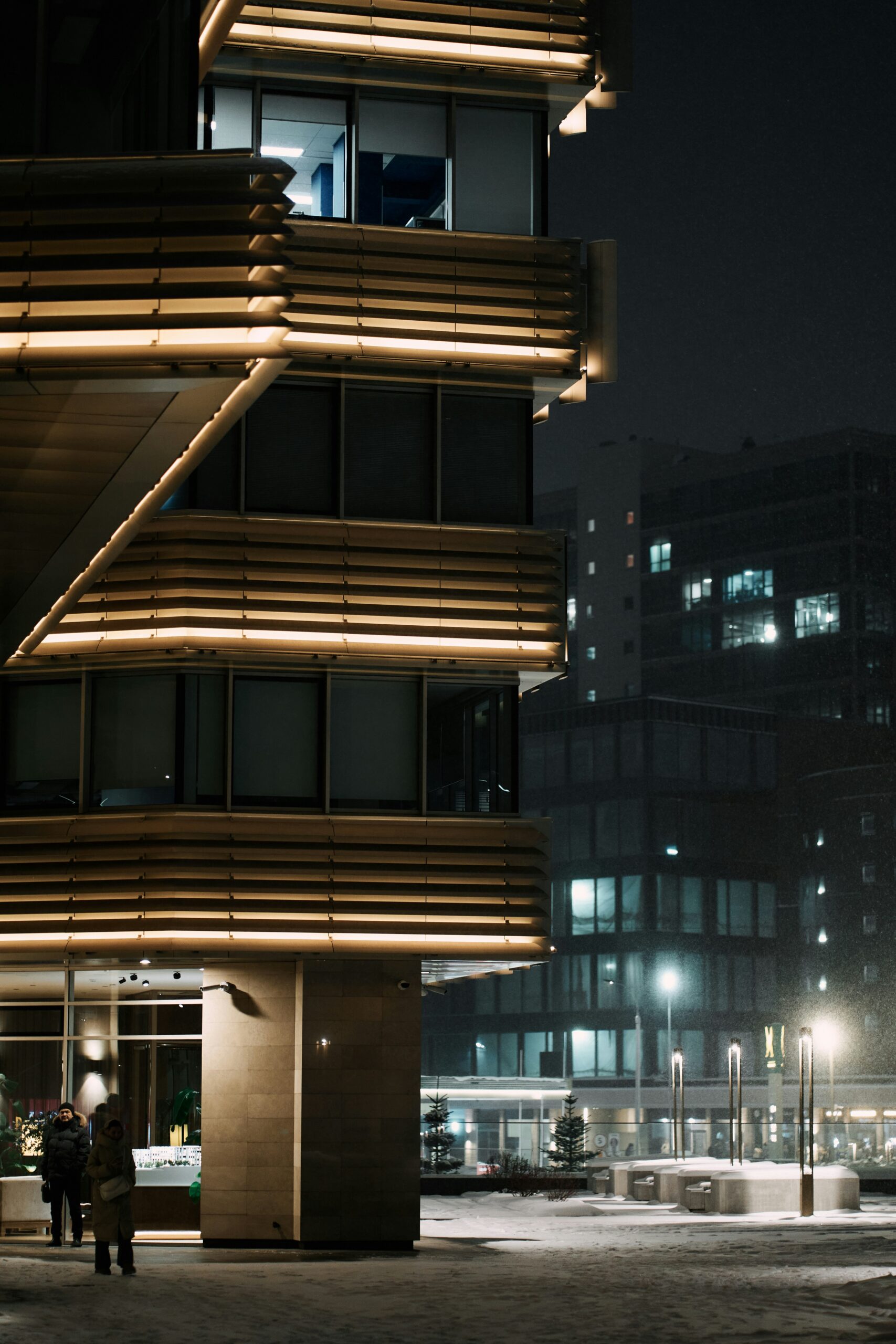
In the evening the partners are still around, finishing calls and walking the corridor, and they can count the lights that are on. At least in my experience, the evening is when the best conversations happen. The phones go quiet, the ties come loose, and a partner stops at your door to ask what you think of the deal, or of the firm, or of your future in it. Careers are built in those ten minutes. The early bird is already on the train home. So the lawyer who works from ten to ten earns the reputation of a hard worker, and the one who works from seven to seven becomes the guy who goes home early. Same twelve hours, different audience.
Anyone who has spent time in Big Law knows the folklore that grows around all this. The jacket left on the chair. The slow walk past the right office at the right moment. The reply-all sent at eleven at night, with everyone in copy. We laugh about it, but the culture is still there, whether we like it or not.
Speaking of being seen. Some time ago, chatting at a conference, a managing partner of a US law firm told me a story I keep coming back to. His firm had decided to make partners’ timesheets transparent: every partner could see what every other partner was billing. It sounded modern, even healthy. Transparency usually does.
The result was 1.2 more billed hours per partner. Per day.
On a slide, that number is a triumph. Then he told me the rest. More stress, more competition, colleagues checking each other’s figures the way teenagers check each other’s likes on Instagram. I have no idea where those hours came from. Maybe from real work. Maybe from dinners and sleep. Maybe from a more generous way of rounding. What I do know is that the amount of legal work in the world did not change the day the timesheets became visible. The audience did.
I suspect this is the part of our profession that will age worst. The billable hour was always a strange currency, a measure of time spent that we agreed to treat as a measure of value produced. For a long time the two were close enough. Now a machine can draft in ten minutes what used to justify an evening in the office, and the light in the window tells you even less than before. If being seen was already worth more than producing, what happens when producing takes a fraction of the time? Maybe we will keep the theatre and lose the play.
A small confession. I never cared much about being seen. When my work was done, I went home, and the lights in the other offices stayed on without me. I would love to call it a virtue, but it was probably closer to stubbornness. I am sure it cost me something. I never measured how much, and maybe it is better that way.
One note before I close. I have nothing against the owls. They pay their own price, usually at the seven pm meeting. My doubt is about a system that rewards the lamp more than the work done under it, and that asks a whole team to live on the clock of whoever sits at the top.
So here is a question for partners, associates, and anyone who has ever stayed ten more minutes because someone important was still around.
If nobody could see you working, when would you work? And for how long?