I’ve always had a soft spot for Dylan Dog.
For anyone who didn’t grow up with the “Indagatore dell’Incubo” (the Nightmare Investigator), Dylan Dog is one of the most iconic Italian comics ever created. Born from Tiziano Sclavi’s pen in 1986, it became a cultural phenomenon in the late ’80s and ’90s and helped shape the imagination of an entire generation. Then, as often happens with things that burn too brightly, the flame dimmed. The newer issues, with all due respect, do not belong to the same era. And the movies? Do yourself a favor. Skip them. All of them.
What made Dylan Dog resonate so deeply with so many men of my generation wasn’t just the horror, the mystery, or the noir atmosphere. It was him. Dylan carried a familiar constellation of traits, sometimes charming, sometimes uncomfortable: the tendency to drift from one romance to the next, the unresolved tension with his father, the love for music (he played the clarinet, even if only Tartini’s “Devil’s Trill”). But there was something else, subtler and more consequential: instinct. That fifth-and-a-half sense, as he called it. The habit of feeling before thinking, of moving through the world by intuition rather than logic.
Looking back, I think Dylan Dog served as a kind of North Star through my adolescence and beyond. I collected most of the issues. And I still own two copies of number one, L’Alba dei Morti Viventi: one to read, one to keep.
A few episodes have stayed with me more than others: number 4, Il Fantasma di Anna Never. Number 81, Johnny Freak. Number 74, Il Lungo Addio. Each one, in its own way, a small masterpiece. But if I had to choose one, the favorite among favorites, it would be the special number 18: La Scelta (The Choice).
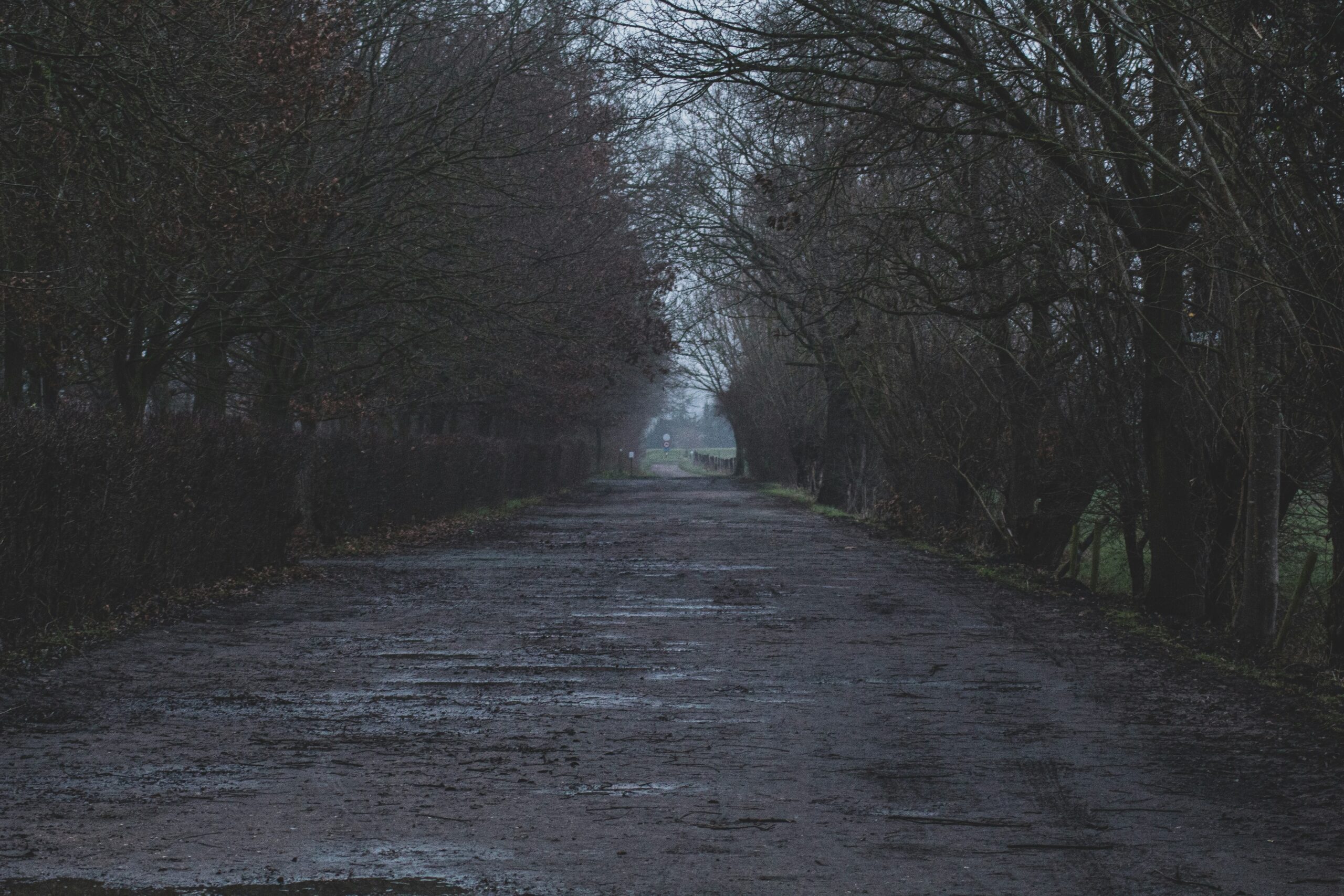
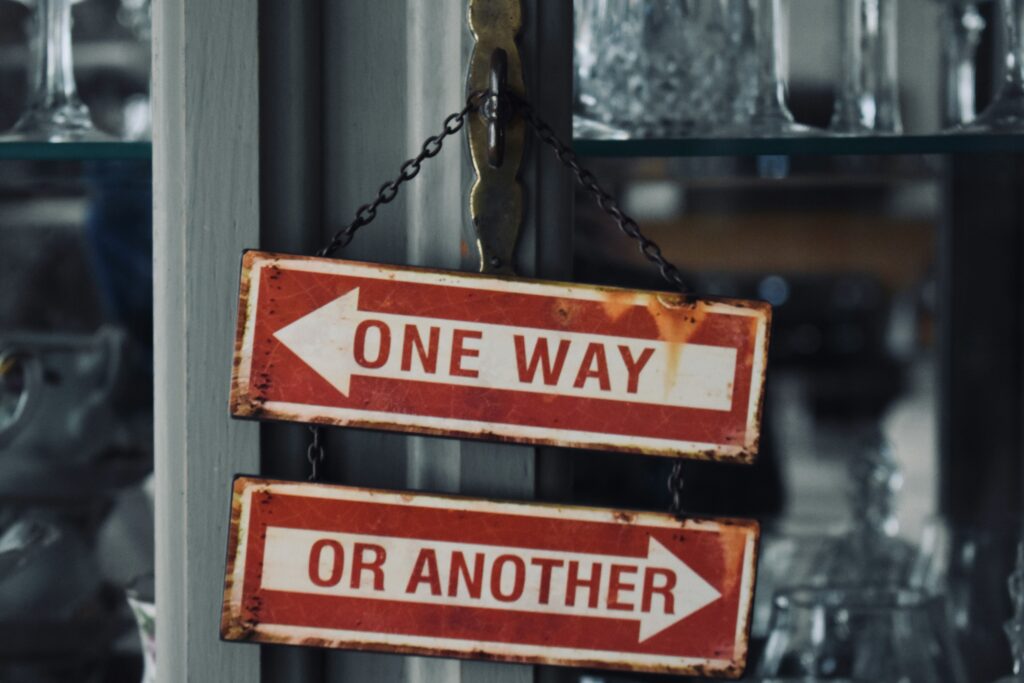
In that issue, Dylan meets Death. Not a metaphor, not a shadow. Death itself, in its most archetypal form: scythe, cloak, the full iconography. Together they walk through the corridors of everything that could have been. What if Dylan had stayed with this woman instead of that one? What if he had built a family? What if he had never left the police? Every fork in the road, every unchosen path, opened and explored. A journey not through nightmares, but through the most unsettling territory of all: possibility.
I go back to that issue from time to time, more often than I’d probably admit. And it always pulls me toward the same mental ritual: imagining what could have been. Not purely with regret, though regret has its seat at the table, but with the quieter curiosity that comes from living long enough to understand that every choice carries the ghost of its alternative.
Maybe it’s the forties. Maybe it’s the shift that happens when you realize time is no longer theoretical. But as this year began, my main reflection was surprisingly simple. A single question:
“If you could go back twenty years, if it were 2005 again, and you were still you, with your old life stretched out ahead of you, would you go back?”
Despite the mistakes I’ve made, and the hope that I learned something from them, my answer has always been no.
Not because everything turned out the way I wanted. It didn’t. Not because the path was clean. It wasn’t. But because I’m grateful for where I stand now: for the scars that taught me, for the forks I took without knowing what they hid, for the life I didn’t plan and still, somehow, built.
If that number taught me anything worth keeping, it’s this: the beauty of a choice is rarely in its perfection. It is in the courage to make it, and in the patience to carry what follows. Because every life is also a cemetery of unlived lives. And still, we move forward. Not by erasing the ghosts, but by learning to walk beside them.