A few days ago I wrote a post on LinkedIn about my parents. My father does not use AI and has never opened a social network. My mother does not own a smartphone. It went viral, and reading the comments I understood why. Many of you have a parent or a grandparent like them, and many of you carry the same quiet unease, the one you feel when you watch someone you love being left behind by a world that never asked whether they wanted to come along.
Because my parents are not missing a trend (well, maybe…). They are being pushed, gently and steadily, to the edge of society. Banking, medical appointments, train tickets, a parking spot, a menu at the cafeteria. Everything now assumes a device in your pocket, a WhatsApp number, and an account in the cloud. If you have none of them, the world does not argue with you. It simply stops answering. Nobody voted for this. It happened one app at a time, we called it progress, and most of us were too busy to notice who had been left on the platform as the train pulled away.
So I started asking myself when it began.
Most people of my generation have a before and an after, and the line runs through September 11, 2001. I understand why. The Western world did change that morning. But if I am honest with my own story, the fracture came two years earlier, in 1999, when Napster appeared. It sounds small compared to towers falling. It was not small for me. Almost overnight, something that had a price, a shelf, a cover and an owner became a file that belonged to everyone and to no one. Music went first, because a song was small enough to travel. Then movies, then video games, then everything else. I watched it happen in real time, with the strange feeling of witnessing a theft that most of my friends were not willing to call a theft.
Maybe that is when I fell in love with copyright, which I still teach, by the way. And maybe that is why, years later, I recognised the same path when legal work started walking it. Something that used to be rare, slow and expensive became abundant, then cheap, then almost free. Contracts as templates. Advice as a search result. Now judgment as a prompt. The value did not vanish. It moved somewhere else, and the people who used to hold it were rarely the ones who received it. But that is another story.
Let’s come back to music. Think about the last CD you bought. Or the vinyl, the cassette, the DVD. It was yours. You could lend it to a friend, give it to your sister, sell it at a flea market, leave it in a drawer for twenty years and find it exactly where you left it. Now think about the last audiobook you bought on a platform. You can do none of those things. You paid, and what you received was permission. Permission that can be narrowed, suspended or withdrawn by someone you will never meet, under terms you never read.
Once you see this pattern, you see it everywhere. A television that costs well over a thousand euros and shows you advertising on its home screen. A refrigerator that asks for the Wi-Fi password before it keeps your food cold. A car with a feature already built into the hardware, waiting for a monthly subscription before it agrees to work. Taken one by one, these are small annoyances, the kind we shrug at and forget. Taken together, they describe a slow transfer of power from the people who buy to the platforms that sell. Property became a licence. And the licence was written by someone else.
Looking back, this is what 1999 was really about. Napster did not just make music free. It taught everyone watching that the file matters less than the access to it, and that whoever controls the access controls everything. Twenty-five years later, we became users. Which is a polite way of saying tenants.
What I still do not fully understand is why we let it happen. My suspicion is that, at some point, convenience became the currency we paid with, and we never asked for a receipt.
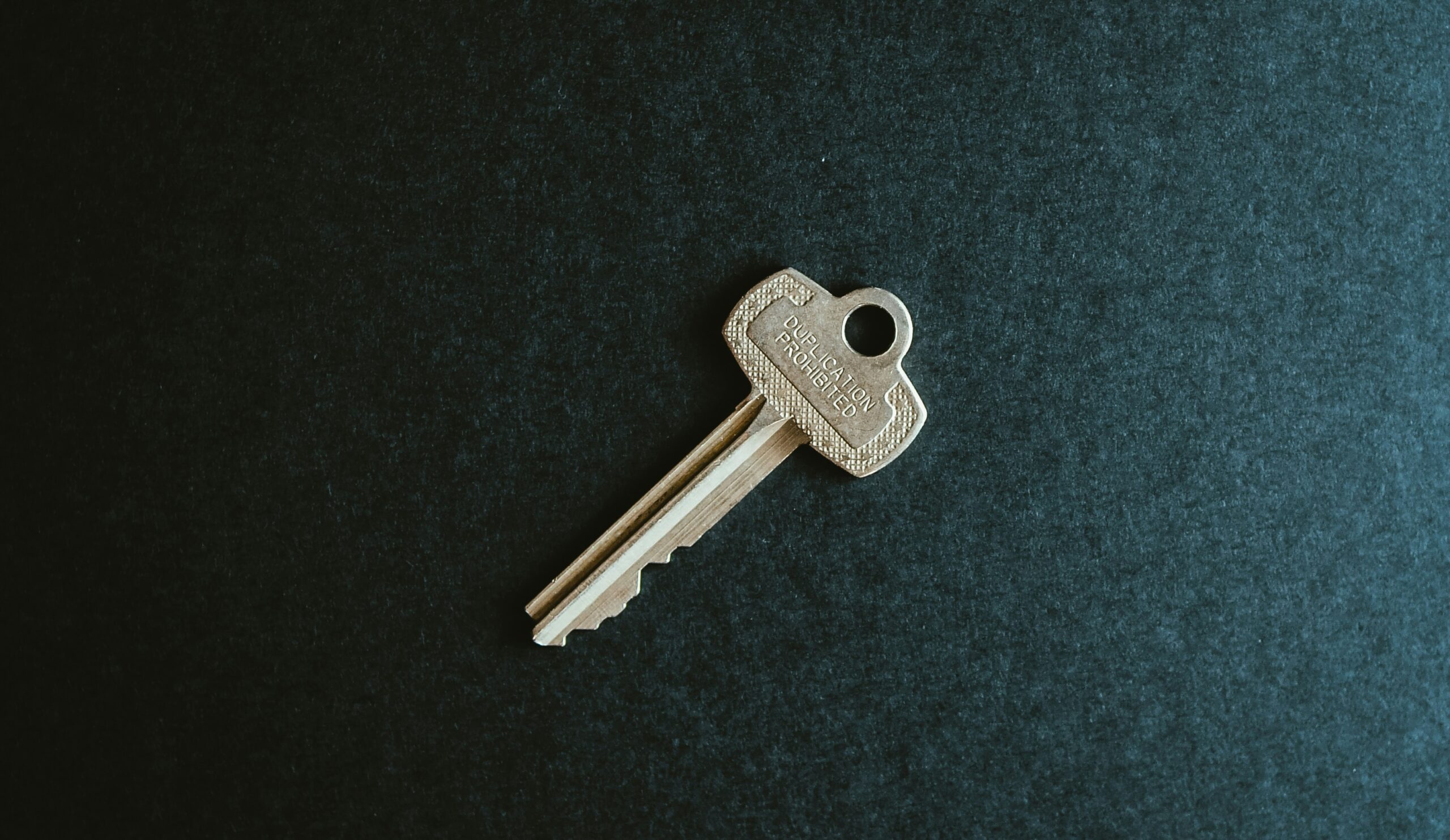
My father said something recently that I keep coming back to. He would like a car with no cloud, no GPS, no software updates, no one on the other end who can see where he is or switch a feature off. A car the old way, where the key opens the door and the engine does what the pedal tells it to do. And then he added that, in his opinion, there would be plenty of people willing to buy one. I think he is right. Nostalgia had little to do with it. He was describing a product that has quietly disappeared from the market, and asking why nobody makes it anymore. My guess is that the first brand brave enough to give its customers more control, rather than less, will find a queue outside the door.
And the car is only the beginning. My mother owns her kitchen. Every pot, every knife, every recipe written by hand on a card. My father owns his books, and he can lend them to whoever he wants. Nobody can revoke their access. Nobody can update their terms. In a strange reversal, the two people the digital world is pushing out are the only ones I know who still own everything they have.
Which leaves me with one question, and I would like you to sit with it for a moment before you scroll on.
What is the last thing you bought that you truly own?