There’s a story I’ve always loved.
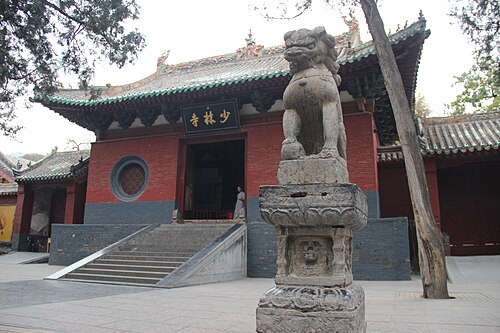
It’s about the Shaolin Temple.
For anyone passionate about martial arts, Shaolin is not just a place. It is a symbol. A legend. A myth.
They say that hundreds of years ago, when Shaolin was still Shaolin, before you could even be considered a student, you had to spend three years in Mǎ Bù (馬步), the horse stance. Day and night. Through winter and summer. Through hunger and exhaustion. No forms. No sparring. Just holding that single posture.
Feet wide. Back straight. Hips low. Sometimes with a bowl of water balanced on your head or thighs. Spill it, and you were out of alignment.
You slept on the floor. Ate when food was brought. Monks would walk by. They might correct you, observe you, or ignore you entirely.
And after three years, if you endured, they would open a door.
Only then could you begin to learn.
It makes sense: in martial arts, you don’t pay your master with money, but with sweat, time, and sacrifice.
Still, I’ve thought about this story many times. And over the years, I’ve come up with three possible reasons behind this ritual.
The truth, I believe, lies somewhere at the intersection of all three.
1. Gong fu is in the legs
Anyone who has practiced martial arts knows this. The power does not come from the arms. It comes from grounding. From balance. From the structure beneath the surface.
Three years in Mǎ Bù does not only build strength. It gives you presence. It gives you roots.
Nature teaches us something we often forget: the trees that bear the best fruits are the ones with the strongest roots.
2. You need an empty mind to learn
Three years of silence and stillness strip away your expectations. Your ego. The noise.
You become nothing. And in that nothingness, you are finally ready to receive.
You are no longer performing. You are becoming.
How can you learn if your mind is already full, like a basket overflowing with sand?
3. They want to see if you are truly willing
Willing to leave your family. Willing to stay in discomfort. Willing to let go of distraction, comfort, validation.
Because if you are not, what are you really seeking?
And then I reflect.
All of this was just the requirement to become a student.
Not a master. Not a teacher. Not even an initiate.
Just a beginner. Not to mention the sacrifices of a monk life.
I’ve often found myself asking: what are the things we claim to care about?
And when the moment comes, are we truly willing to stand in Mǎ Bù for them?
Or are they just words, spoken more easily than lived?